A Tale of Peace Museums as Living Spaces for Positive Peace
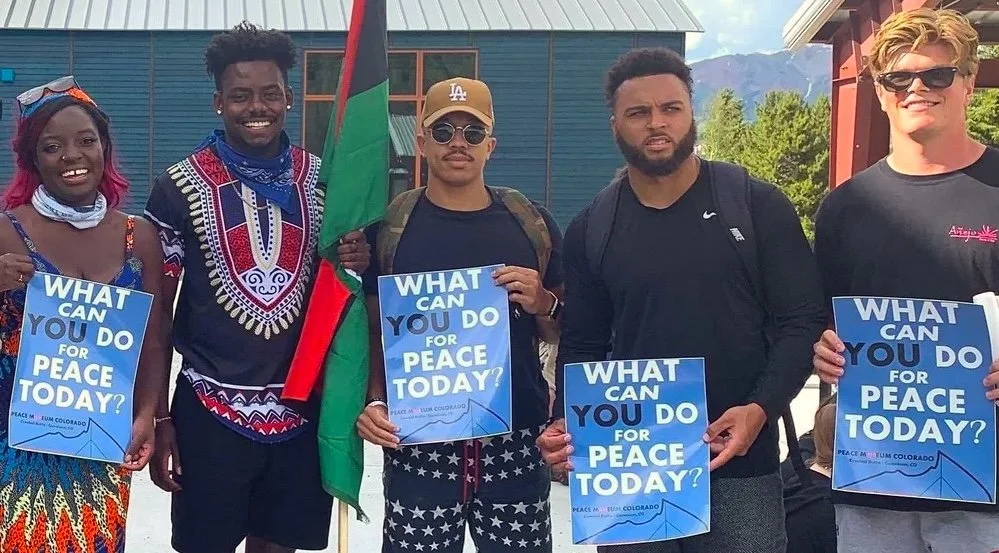
In a quiet part of the city stood a building dedicated to peace. Inside were carefully curated exhibitions, objects preserved behind glass, and stories documenting moments of conflict, reconciliation, and hope. Visitors entered, observed the displays, and departed. The museum fulfilled its traditional role as a place of memory and reflection. Yet something essential seemed to be missing. Peace was presented primarily as history to be observed, rather than as a practice to be experienced.
Gradually, a different vision began to emerge. Educators, artists, and community members started asking whether a peace museum could evolve beyond a static exhibition space and become an active environment for learning, dialogue, and civic participation. Instead of presenting peace only through historical narratives, the museum could become a place where peace is practiced and cultivated in everyday interactions.
In response to this vision, the space slowly transformed. Dialogue circles invited visitors to exchange perspectives and reflect on experiences of conflict and reconciliation. Workshops created opportunities for participants to share stories and creative expressions related to peacebuilding. Walls that once displayed curated objects became open platforms where visitors could contribute their own messages, drawings, and reflections about hope and coexistence.
Local schools, community organizations, and intergenerational groups began to participate. Students arrived not only to learn about the past but also to discuss contemporary challenges and explore constructive responses. Elders contributed memories that connected historical experiences with present responsibilities. Through these encounters, the museum gradually evolved into a shared environment of learning, creativity, and civic engagement.
Central to this transformation was the concept of positive peace—the understanding that peace is not merely the absence of violence but the presence of conditions that support justice, cooperation, dialogue, and human dignity. Positive peace requires ongoing participation and collective effort. It is built through relationships, institutions, and everyday practices that strengthen trust within communities.
To embody this approach, a variety of participatory initiatives were developed. One example is the Peace Kitchen, where individuals prepare and share meals that are meaningful to them and connected to the cultures they come from. Cooking and eating together with strangers becomes a powerful act of dialogue and mutual understanding, demonstrating how everyday practices can foster connection across cultural boundaries.
Another initiative, Windows4Peace, brings the idea of peace into public space. Participants display images or stories of peace heroes in their windows, transforming private homes into visible messages of inspiration within the community.
Learning from others also became an essential part of the museum’s work. Through the Peace Heroes initiative, visitors discover individuals whose actions contribute to peace in different contexts. Sharing these stories helps inspire reflection on what each person can do to support peaceful societies. The museum also documents contemporary peace practices by filming interviews with peacebuilders and community leaders, making these conversations accessible to wider audiences.
Publishing projects further expand this educational mission. The Meet the Peace Hero book series introduces children to inspiring figures and encourages young readers to imagine their own role in creating a more peaceful world. At the same time, publications exploring the importance of peace museums highlight their potential as institutions that support dialogue, education, and social engagement.
Equally important is the museum’s commitment to collaboration. By supporting other peace initiatives and working with organizations and institutions that share similar goals, the museum contributes to broader networks dedicated to peacebuilding. In this way, peace becomes not only a subject of study but also a collective practice.
Through these evolving activities, the peace museum itself becomes more than a place that preserves historical memory. It becomes a living space where peace is explored, practiced, and shared. Visitors are no longer passive observers but active participants in shaping a culture of peace.
Ultimately, the story of a peace museum is not only about the past. It is about cultivating peace as a community practice—something that can be learned, experienced, and sustained together in everyday life.
