Can Peace Food Make Us Feel More Peaceful?
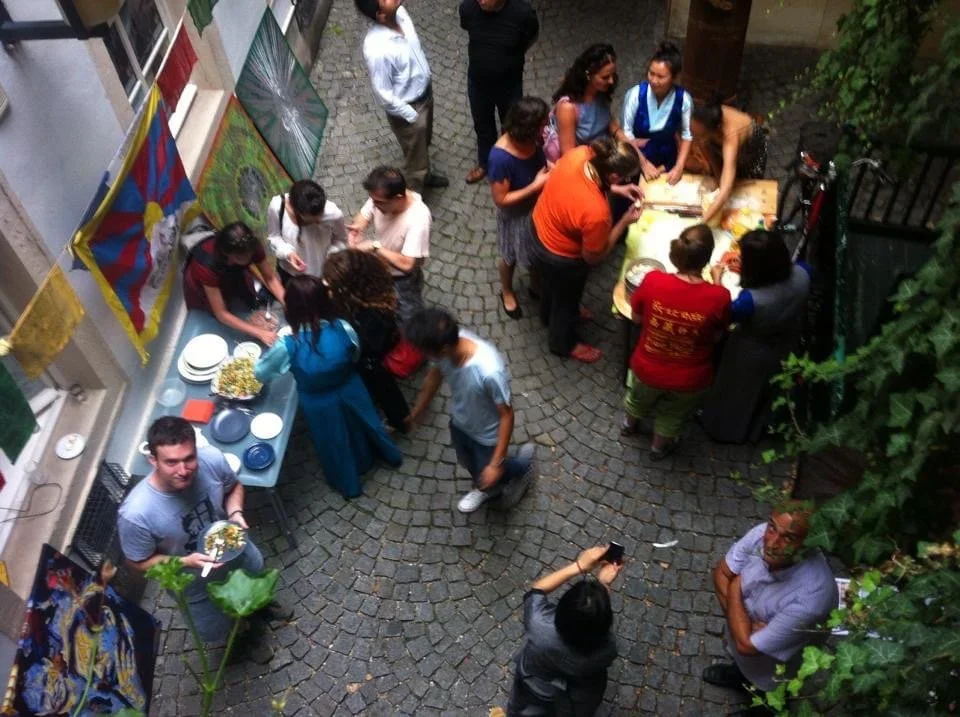
What if peace could begin around a table?
When we talk about peace, we often think about the absence of war or violence. But peace is more than that. At Peace Museums, we believe in positive peace — the presence of justice, dignity, connection, belonging, and the conditions that allow communities to flourish. Sometimes, positive peace can begin with something as simple and human as sharing a meal.
Food Carries Our Memories
Think about people who have had to leave their homes because of conflict, violence, or displacement. They may have left behind their houses, neighborhoods, gardens, and familiar places. But often, they carry something deeply precious with them: memories, stories, recipes, and the taste of home. A particular spice. A grandmother's recipe. Bread made in a certain way. A dish prepared for celebrations. A meal that reminds someone of the people they love. Food can travel with us when almost everything else has been left behind. And when we share that food with others, something beautiful can happen. A table can become a meeting place. A recipe can become a story. A meal can become an invitation. Strangers can become neighbors. For a moment, sharing food can feel like a family gathering — even when we are far from our own families.
And perhaps that feeling is part of what peace brings into our lives.
Peace Kitchen: Cooking, Remembering, Connecting
This is at the heart of Peace Kitchen, one of the Peace Museums projects. Peace Kitchen brings people together through food and the stories connected to it. It creates space for people to share dishes that carry their memories, identities, journeys, and experiences. Because food is not only about nourishment. Food is culture. Food is memory. Food is dignity. Food is connection. And food is a human right. International human rights law recognizes the right to adequate food and the fundamental right to be free from hunger. When we make food together and eat together, we also create opportunities to listen to one another. This is community building in its most human form.
When Food Becomes a Protest for Peace
But food can also tell a very different story.
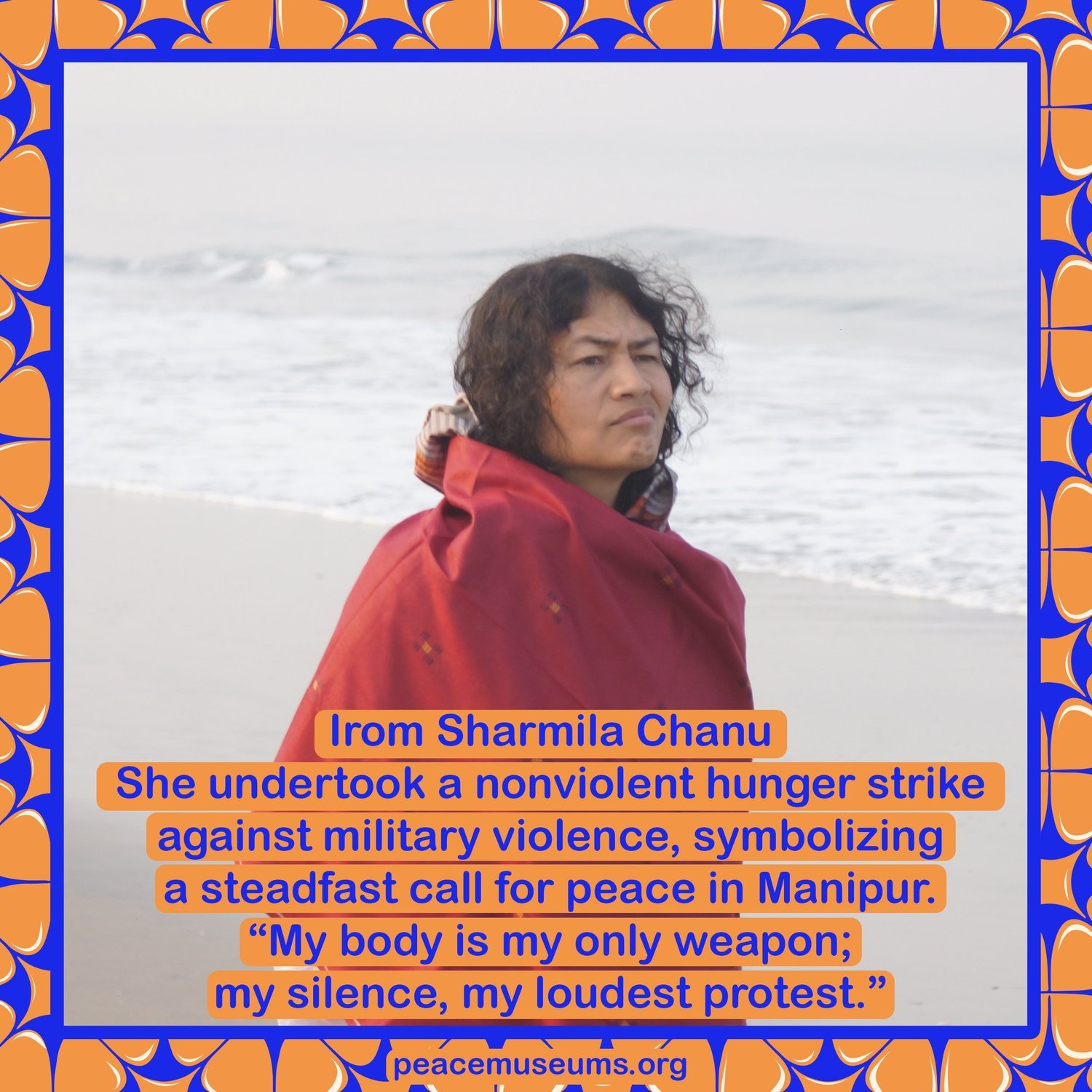
In November 2000, Irom Sharmila Chanu began an indefinite hunger strike in Manipur, India, following the killing of 10 people by security forces in Malom. She demanded the repeal of the Armed Forces (Special Powers) Act (AFSPA), which granted extensive powers to security forces in areas designated as “disturbed.” Her hunger strike lasted 16 years. For Irom Sharmila, refusing food became a form of nonviolent protest — a way of saying that people should not have to live with violence and fear. Her protest reminds us of the extraordinary power that food — and the refusal of food — can carry. Food can nourish us. Food can bring us together. And, in the hands of a peace seeker, food can also become a powerful language of resistance.
We learn from Irom Sharmila's courage. We remember her call for justice and peace in Manipur, and we stand with the principle behind her struggle: that human dignity and peaceful coexistence must matter.
Peace Food Recipe of the Week
This week, we invite you to make your own Peace Food. Think of a food that makes you feel peaceful. Maybe it is something your family cooked when you were a child. Maybe it reminds you of a journey. Maybe it is the food of a place you once called home. Maybe it is something you discovered from another culture and now associate with friendship.
Cook it. Share it. Tell its story.
Invite friends, neighbors, colleagues — or even someone you have never shared a meal with before. Make a small Peace Food gathering. Sit around the same table. Eat together. Listen to each other's stories. And ask one another:
What food makes you feel at home?
What memory does it carry?
Who taught you how to make it?
What does peace taste like to you?
Because peace is not only something we hope for in the future. Peace is also something we can practice in the present. We can practice it by listening. By sharing. By welcoming. By remembering. By making space for one another at the table. So, this week, share your Peace Food. Share the story behind it. And remember the feeling you create when people come together.
Carry that feeling with you into the future.
Maybe peace begins with a meal. Maybe it begins with a story. Maybe it begins when we make room for one more person at the table.
What is your Peace Food?
#PeaceMuseums #PeaceKitchen #PositivePeace #PeaceBuilding #CommunityBuilding #FoodAndPeace #PeaceEducation #HumanRights #PeaceFood
As members of the peace museum community, we know that peace is built through relationships, shared stories, and places that bring people together. Every peace walk reminds us that the journey matters—but so does having somewhere to arrive.
May we continue supporting those who walk for peace, welcoming them as they reach our museums, and working together to create many more places that truly feel like home for peace.
Have you ever met a peace walker or participated in a peace walk? I'd love to hear your experiences and reflections in the comments.
