Walking for Peace: When the Journey Leads Home
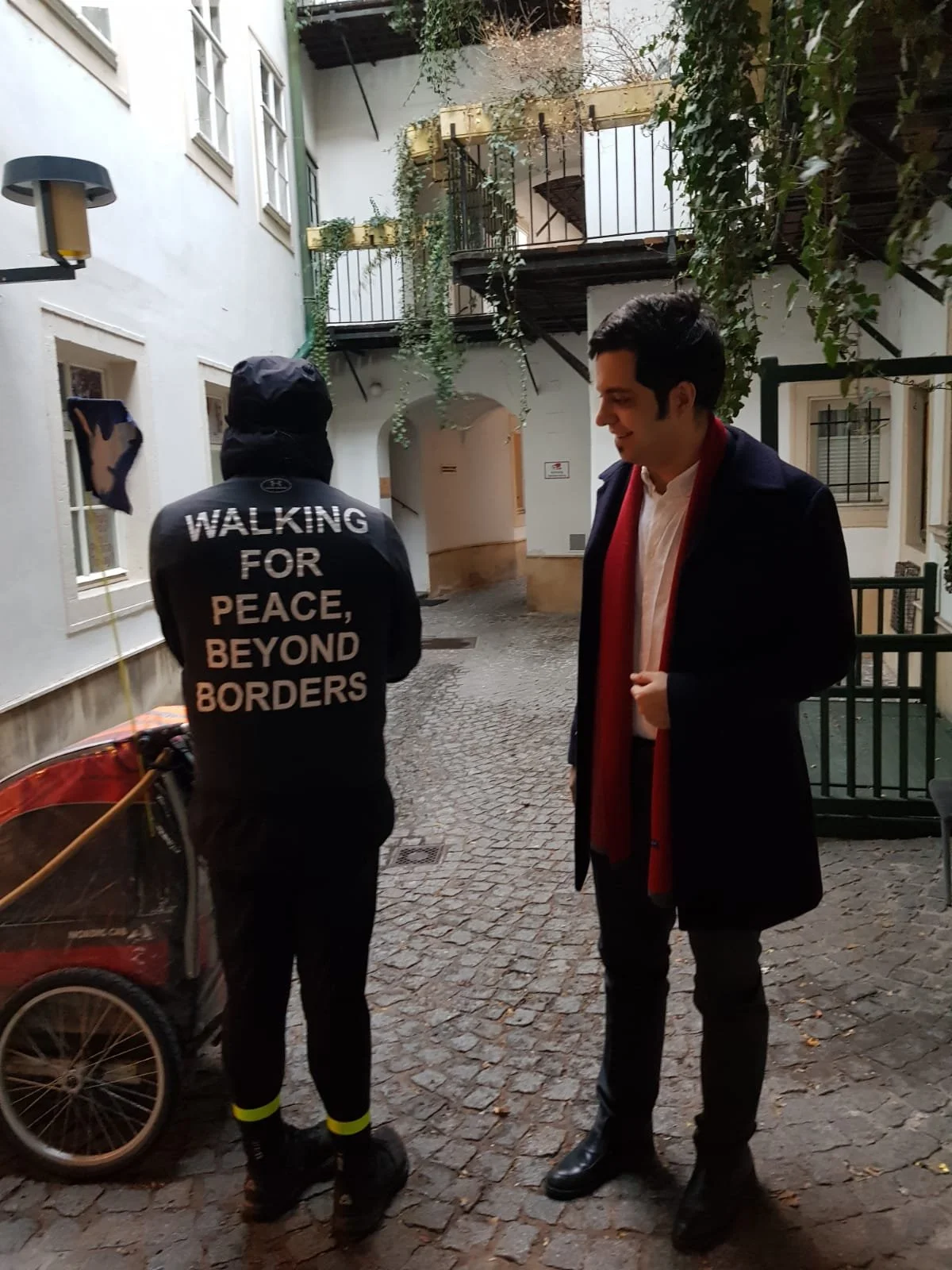
Throughout history, people have walked for peace.
From pilgrimages and marches for justice to long-distance peace walks across countries and continents, walking has always been more than a way of travelling. It is a visible expression of hope, commitment, and belief that peace begins with ordinary people taking one step after another.
Last year, Buddhist monks organized a remarkable peace walk, reminding communities along their route that peace is not only something we talk about—it is something we practice every day. Their presence, quiet determination, and compassion inspired countless people they met along the way.
Peace walkers often carry symbols that make peace visible. Whether it is a peace flag, a banner, a white dove, or the familiar peace symbol, these simple images invite conversations with strangers and encourage people to reflect on what peace means in their own lives. Every step becomes an opportunity to connect.
For many years, peace museums around the world have welcomed peace walkers. After days, weeks, or even months on the road, these museums become more than places to visit. They become places of belonging—a home where peace is understood, celebrated, and shared.
Many peace walkers describe arriving at a peace museum as coming home. They meet people who share their values, discover stories that strengthen their purpose, and find renewed energy for the next stage of their journey.
This raises an important question.
What if we could create more places that feel like home for peace?
Imagine communities where anyone working for peace knows there is a welcoming space to gather, learn, reflect, and connect with others. Peace museums already play this role, but together we can help create even more places where peace is visible, valued, and lived.
If you would like to hear directly from someone who has experienced this journey, I warmly invite you to watch my interview with Paul Haines, a dedicated peace walker and long-time supporter of peace museums. Paul shares his experiences of walking for peace, what motivates him, and why peace museums have become such meaningful places on his journey.
🎥 Watch the interview here: https://youtu.be/z4l573ZT2-c
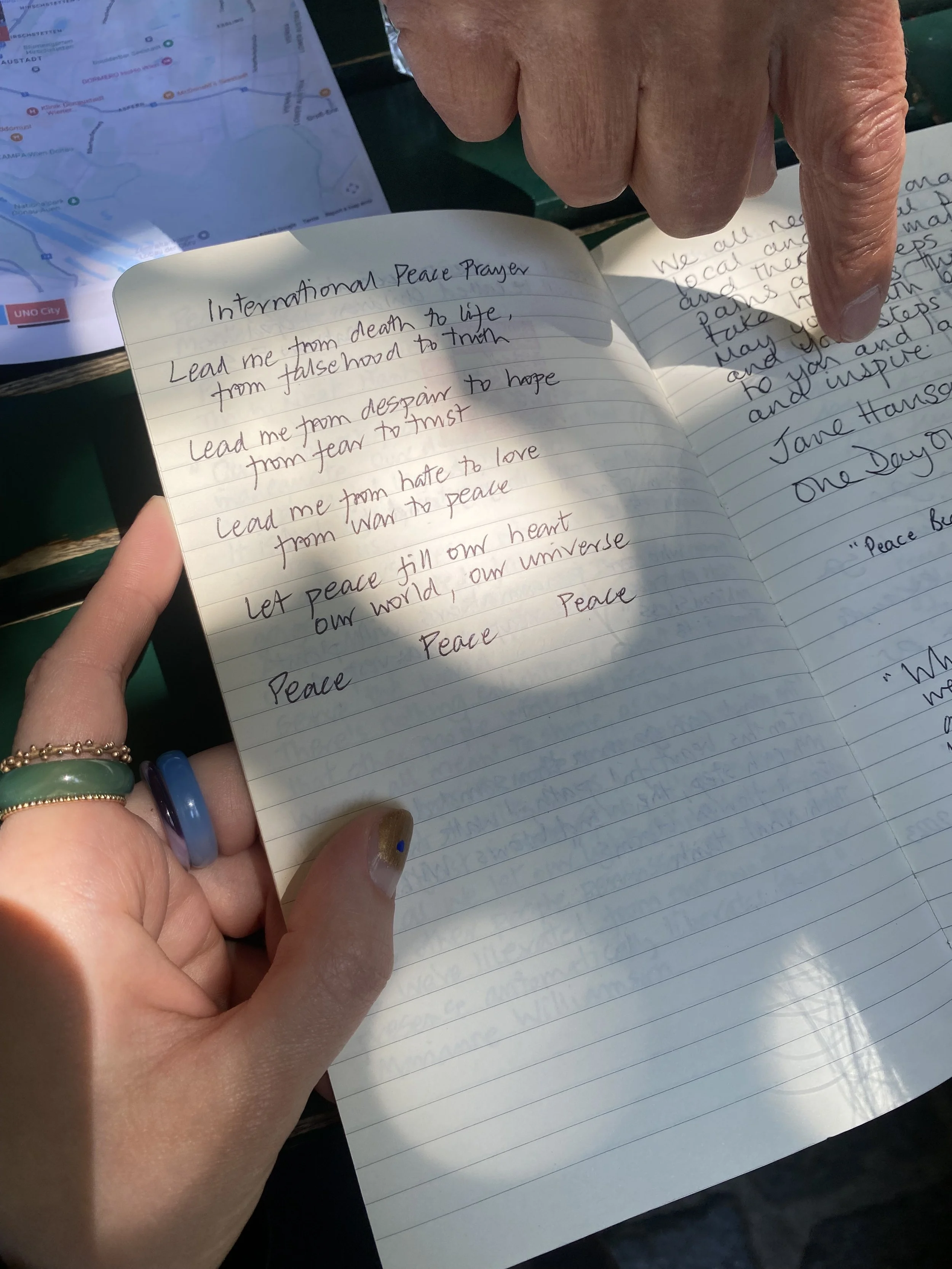
As members of the peace museum community, we know that peace is built through relationships, shared stories, and places that bring people together. Every peace walk reminds us that the journey matters—but so does having somewhere to arrive.
May we continue supporting those who walk for peace, welcoming them as they reach our museums, and working together to create many more places that truly feel like home for peace.
Have you ever met a peace walker or participated in a peace walk? I'd love to hear your experiences and reflections in the comments.
