Peace Is Something We Build Together: Lessons from Autumn Peltier
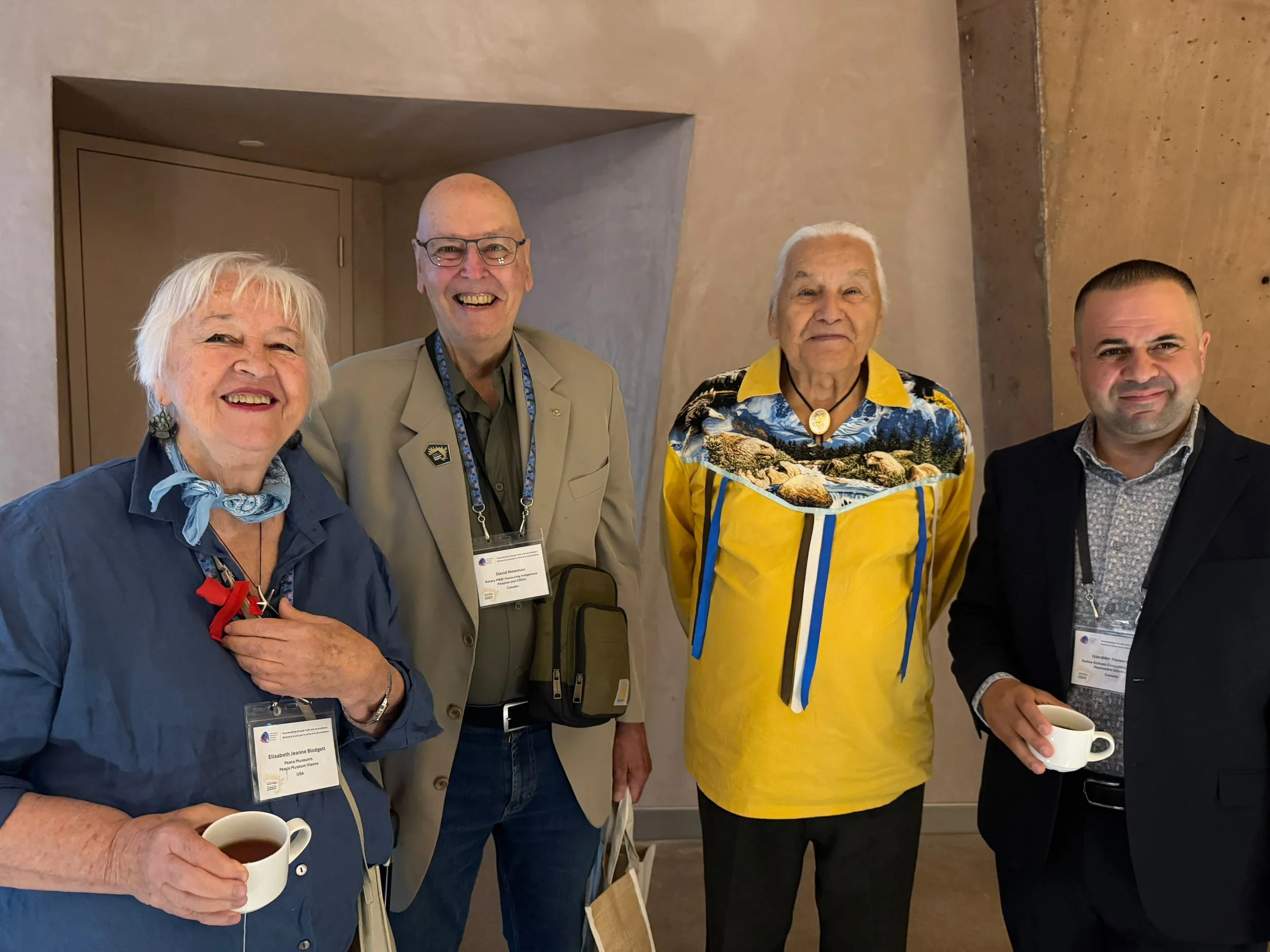
Last week, peacebuilders, educators, researchers, and museum professionals from around the world came together in Winnipeg, Canada, for the 12th International Conference of Museums for Peace, organized by the International Network of Museums for Peace (INMP). Held at the Canadian Museum for Human Rights from August 12–16, the conference focused on “Peacebuilding Through Truth and Reconciliation.” Peace museums were part of this international conversation, sharing experiences, ideas, and new ways to bring the history and practice of peace to wider audiences.
For us, peace museums are not only about objects, buildings, or exhibitions. They are about people.
We look at the people who chose another path: people who protected human dignity, prevented violence, built bridges between communities, cared for the environment, challenged injustice, or simply started a new tradition of peace.
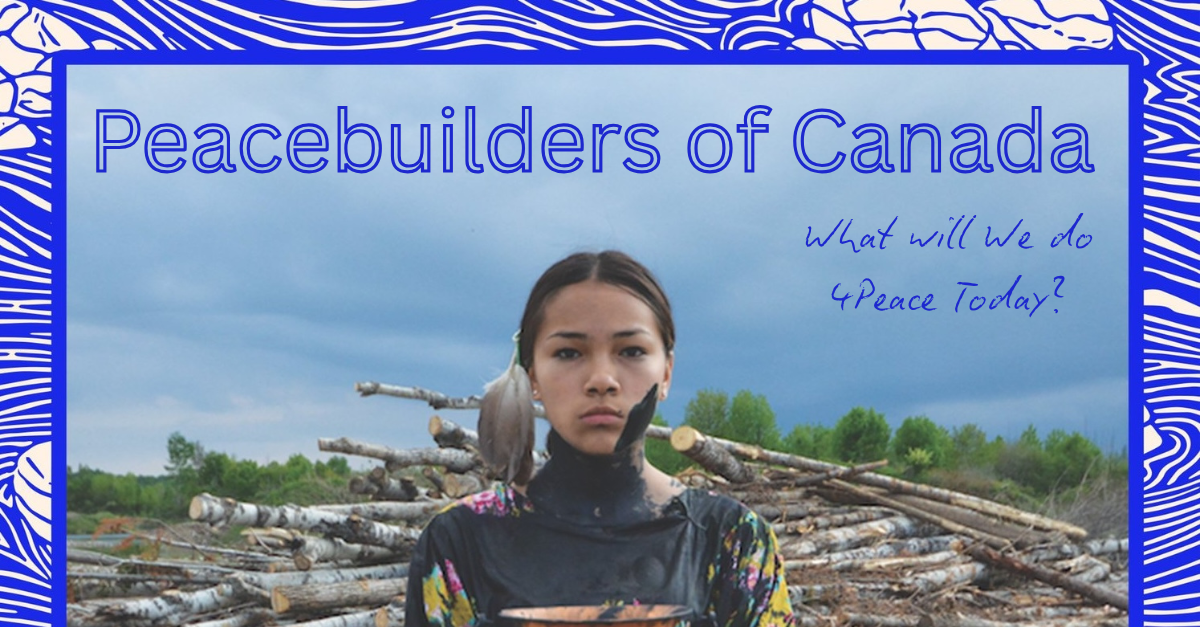
This week, one of those people is Autumn Peltier, an Anishinaabe water and Indigenous rights advocate from Wiikwemkoong First Nation in Ontario, Canada.
Autumn Peltier: Giving Water a Voice
Autumn's story began when she was just eight years old. During a visit to Serpent River First Nation, she saw signs warning people not to drink the water. She learned that the community had been living with a long-standing drinking-water advisory. For a child who had grown up knowing water as something ordinary and safe, the idea that other children could not drink or even use their water safely was deeply troubling. That experience became the beginning of her advocacy. At the age of 12, she confronted Canadian Prime Minister Justin Trudeau about the protection of water. At 13, she spoke to world leaders at the United Nations. In 2019, she became Chief Water Commissioner for the Anishinabek Nation, continuing work that had been carried forward by her great-aunt, water advocate and Elder Josephine Mandamin. Autumn has described her work in a simple but powerful way:
“My job has been to give water a voice.”
Her story reminds us that peace can begin with something very concrete. A glass of clean water. A community being heard. A child asking, “Why?” And an adult deciding to listen.
What Can We Learn From Autumn?
Autumn's work is not usually described as traditional peacebuilding. She is a water protector, an Indigenous rights advocate, and an environmental activist. But if we think about positive peace—peace as the presence of dignity, justice, respect, healthy relationships, and the conditions in which people can thrive—her work becomes a powerful example. Peace is not only about stopping a war. Peace can mean making sure a child has safe drinking water. Peace can mean protecting a community's relationship with its land. Peace can mean listening to people whose voices have been ignored. Peace can mean speaking truth to someone with more political power. And peace can mean taking responsibility for the future.
Autumn also shows us the importance of intergenerational peacebuilding. She was inspired by her great-aunt Josephine Mandamin, who dedicated her life to raising awareness about the importance and sacredness of water. When Mandamin died, the responsibility was carried forward by the next generation. This is one of the things peace museums can do so well: keep the connection alive between generations. We tell the stories of people who came before us so that their ideas, courage, and choices can inspire people today.
From Water to Peace
Autumn's story also invites us to think about the many forms peace can take. One person may care for water. Another may defend human dignity. Someone else may prevent a conflict before it becomes violent. Someone may bring two communities together. A teacher may introduce children to a new way of thinking. A museum may tell the story of a forgotten peace hero. And someone somewhere may decide to create a new peaceful tradition—perhaps by bringing people together to celebrate the International Day of Peace on September 21. These actions may look very different. But they have something in common: They create the conditions for peace.
Peace Connections
This is why connections matter so much.
The International Network of Museums for Peace exists to help museums and related organizations share knowledge, resources, and best practices and to support one another in building cultures of peace. The Peace Museums network brings together initiatives from places including Vienna, Paris, Colorado, Nepal, and many other parts of the world. These museums may have different histories, cultures, collections, and approaches, but they share a belief that museums can be more than places of remembrance. They can be places of inspiration, learning, connection, and action. Listening to stories from around the world—and learning from the ways people have changed their own situations—is how we build peace together. Maybe the most important question is not:
“What can someone else do for peace?”
but:
“What can I do, and who can I connect with?”
A story from Canada can inspire someone in Vienna. A peace tradition from Nepal can inspire a school in Colorado. A museum in Paris can share an idea with a museum in another part of the world. A young person's voice can reach someone who has never heard that story before. And one small action can become part of something much bigger.
Let's Build the Connection
Peace needs people who are willing to listen, learn, share, and act. At Peace Museums, we want to continue connecting the stories of peace heroes from around the world—and connecting the people and organizations who are carrying their work forward today.
Do you know a peacebuilder whose story should be heard?
Are you creating a new tradition for peace in your community?
Are you working with young people, museums, schools, artists, communities, or organizations to build positive peace?
Please reach out. Let's share our stories. Let's learn from one another. Let's create new peace connections. And let's build peace—together.
#PeaceMuseums #PositivePeace #Peacebuilding #INMP #AutumnPeltier #WaterForPeace #IndigenousPeoples #PeaceEducation #PeaceDay #September21 #PeaceConnections
