What Does Peace Look Like?
On August 24, 2022, something important happened in Prague.
At an extraordinary General Assembly of the International Council of Museums (ICOM), representatives voted on a new definition of what a museum is. The proposal passed with 92.41 percent of the vote.
The new definition begins with an institution. A museum, it says, is a permanent, not-for-profit institution serving society. It researches, collects, preserves, interprets, and exhibits both tangible and intangible heritage.
But then the definition moves beyond objects.
Museums, it says, should be accessible and inclusive. They should foster diversity and sustainability. They should operate ethically and professionally, with the participation of communities. And they should create opportunities for education, enjoyment, reflection, and sharing knowledge.
That last part matters. Because when we talk about Peace Museums, we are not really talking about objects. We are talking about people.
A museum where people come first
Walk through a museum and you will usually encounter objects that have survived their owners: photographs, letters, uniforms, artworks, tools, fragments of buildings, personal belongings. They tell us something about the past. But a Peace Museum has another question to ask:
What can these stories help us do differently in the future?
For me, that is where the idea of a peace museum becomes particularly powerful. A peace museum should not only preserve the memory of conflict. It should help us recognize the possibility of peace. It should be a place where people can meet. A place where difficult histories can be discussed. A place where different experiences can sit beside one another. A place where we can ask not only, What happened? but also, What do we do now? In that sense, a peace museum is not just a building full of history. It can be a meeting point for peace.
Peace is not only something we find
We often talk about peace as though it were somewhere far away. Something that governments negotiate. Something diplomats sign. Something that happens after a war ends. But there is another understanding of peace—what is often called positive peace.
Positive peace is not simply the absence of violence or war. It is about the conditions that allow people and communities to live with dignity: cooperation, justice, inclusion, trust, opportunity, and relationships that make it possible to solve disagreements without violence.
That makes peace much more personal. And much more demanding. If peace is something we build, then we all have a role in it.
So where do we find peace?
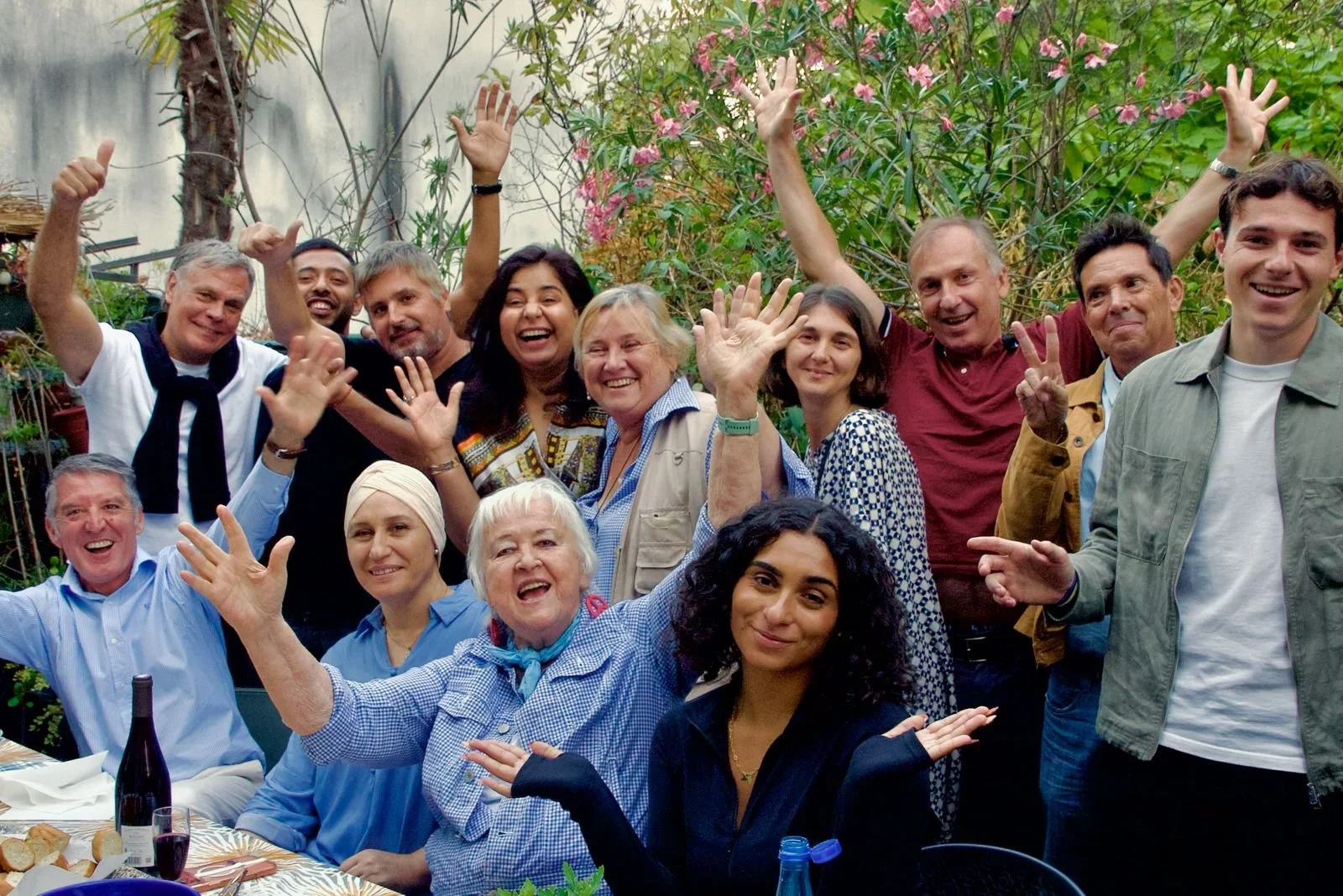
Sometimes, you find it at a gathering. A few people sitting around a table. Someone brings food. Someone brings an idea. Someone else brings a question. There may be no grand declaration. Just people talking. And perhaps that is enough to begin. Join a peace gathering when you see one. If you don't see one, organize one. Invite a few people. Bring some snacks. Make room for a conversation. Peace does not always begin with a conference hall. Sometimes it begins around a kitchen table.
Make peace visible
There is another simple way to connect: make peace visible. Put a message of peace in your window. Wear it on a T-shirt or a scarf. Join the Windows4Peace project. A symbol might seem small, but symbols can start conversations. They can tell a stranger, a neighbor, or someone passing by that they are not the only person thinking about peace. We need more of those signals. More reminders that peace is not an abstract idea belonging to someone else. It belongs to all of us.
Find the people already doing the work
There are peacebuilders everywhere. Some work in museums. Some work in schools. Some work in communities. Some write books. Some organize events. Some quietly help their neighbors. You may already know one. If you don't, find one. Make the first move. Read their work. Follow their projects. Ask questions. Leave a comment. Offer support. And if you are already doing peace work yourself, tell us about it. We need to hear those stories. Because peacebuilding is also about learning from one another.
What have you read about peace?
Maybe there is a book that changed the way you think about conflict, reconciliation, community, or humanity. Tell us about it. Write a review. Recommend it to someone. Share what you learned. And if you are an author writing about peace, connect with your readers. Books can be meeting places, too. A story can cross a border that a person cannot. An idea can reach someone you will never meet.
What can we do for one another?
There is another question that sits at the heart of peace:
Who needs support right now?
Maybe it is someone in your community. Maybe it is a colleague. Maybe it is a neighbor. Maybe you don't know the answer yet. Start by asking. Make a meal for someone. Check in. Listen. Share a useful resource. Stand beside someone when they need support. Community is not an abstract concept. It is what happens when we decide that another person's well-being matters to us. We gather. We listen. We help.
One small peace action
It is easy to feel overwhelmed by the scale of the world's problems. Wars are happening. Communities are divided. The climate is changing. People are displaced. Trust is fragile. What difference can one person make? Perhaps the answer is not to wait for one enormous action. Perhaps we begin with one small one. This week, make a plan for peace. It could be as simple as preparing a meal for someone else. Sharing something that inspires you. Making a statement for peace in your community. Listening to a perspective you don't usually hear. Trying to live a little more responsibly toward the environment. Supporting someone who is already doing peace work. Or simply making peace visible in your own window.
This week's invitation
For this week, I want to suggest something even simpler.
Imagine a peaceful future.
Don't worry about whether it seems realistic. Close your eyes and picture it. What does your neighborhood look like? How do people speak to each other? What happens when people disagree? Who is sitting at the table? What does a peaceful school look like? A peaceful museum? A peaceful city? A peaceful world? Then tell someone. Share your vision. Because before we can build a different future, we need to be able to imagine one. And perhaps this is one of the things a peace museum can help us do best:
remember what happened, meet one another in the present, and imagine what could happen next.
So, what does peace look like to you? And more importantly— what is one thing you can do for peace this week?
#PositivePeace #Peace #PeaceMuseums #Peacebuilding #Museums #Community #CultureForPeace #Windows4Peace
