Organize Peace
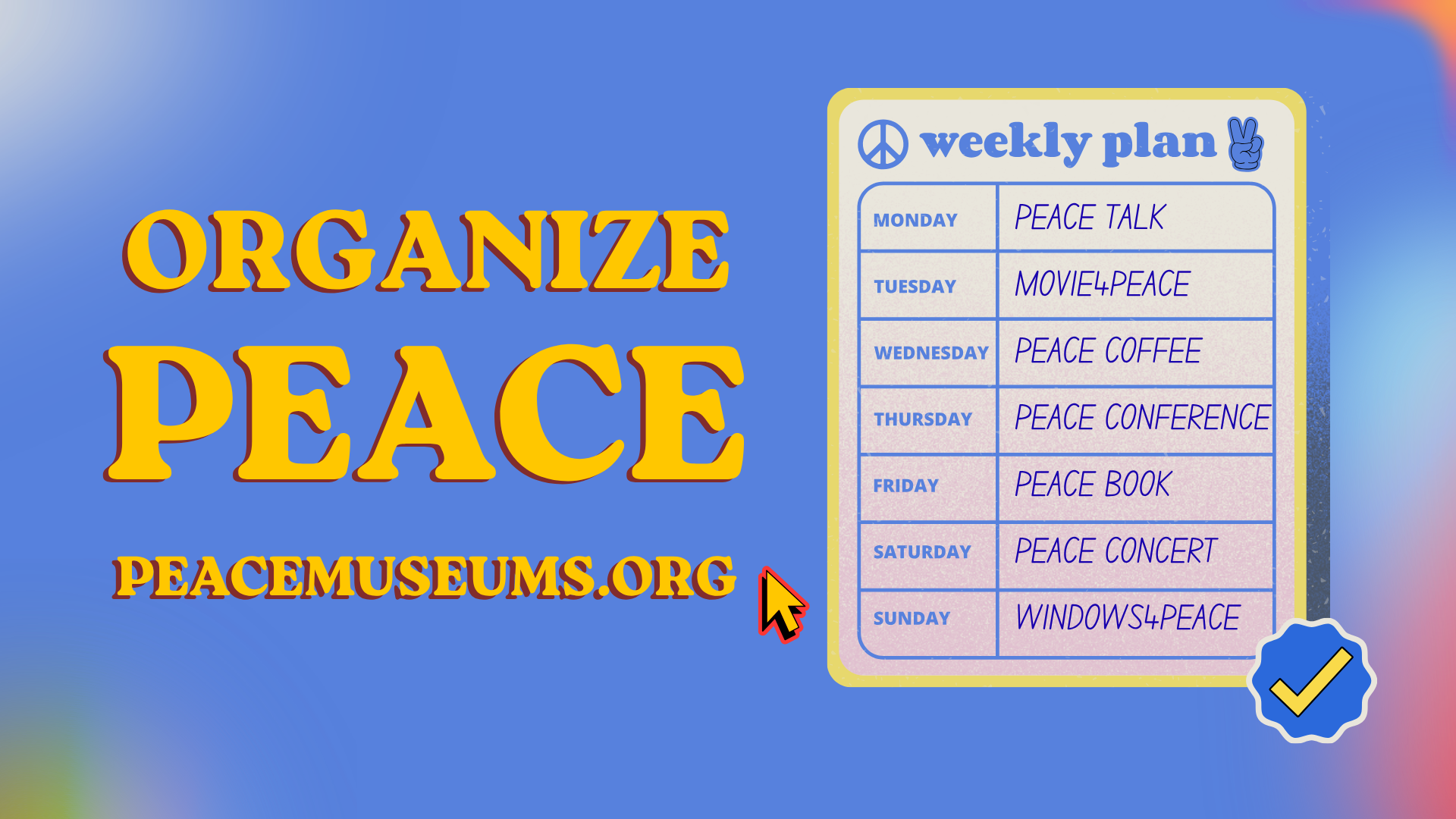
We often hear people say we should fight for peace. But perhaps that is where we need to rethink our language. We cannot fight for peace, and we cannot win peace. Peace is not a trophy waiting at the finish line. It is something we build, nurture, and cultivate—every single day.
Peace is an active practice.
Like any meaningful practice, it requires intention. It needs time, attention, and repetition. Some days we naturally make space for it. Other days we are busy, distracted, overwhelmed, or simply tired. If peace depends only on inspiration, it will often be the first thing to disappear from our calendars.
So how do we keep peace present in our lives? We organize it. We organize our work meetings, holidays, meals, workouts, birthdays, and coffee with friends. We plan months ahead for the things we consider important. Why shouldn't peace deserve the same level of attention?
Imagine intentionally scheduling peace into your life.
Organize a neighborhood peace gathering where people can simply meet, listen, and connect. Start a local peace initiative around a cause that brings people together instead of pulling them apart. Invite friends for a Peace Coffee—not just to chat, but to have a meaningful conversation about what peace means in everyday life. Choose a peace hero whose story inspires you. Share their journey with others. Learn from their actions and experiment with bringing one of their ideas into your own community. Small actions often travel much further than we expect. Host a Movies4Peace evening. Watch films that encourage empathy, dialogue, and understanding, then create space for conversation afterward. These gatherings can become powerful opportunities for learning, reflection, and community building. Peace does not only exist in international negotiations or global movements. It begins in our homes, our neighborhoods, our workplaces, our schools, and our conversations. It grows through the habits we create together.
If we want peace to become part of our culture, it first has to become part of our schedule.
What if we planned peace with the same commitment that we plan our meetings? What if our calendars reflected not only our ambitions, but also our values?
Organizing peace is not about adding another task to an already busy life. It is about making space for the kind of life—and the kind of society—we want to create. Peace does not happen by accident. It happens because people choose to make room for it. So this week, don't just hope for peace. Organize it.
