Creative Peace: How Volunteers Turn Ideas into a Living Culture of Peace
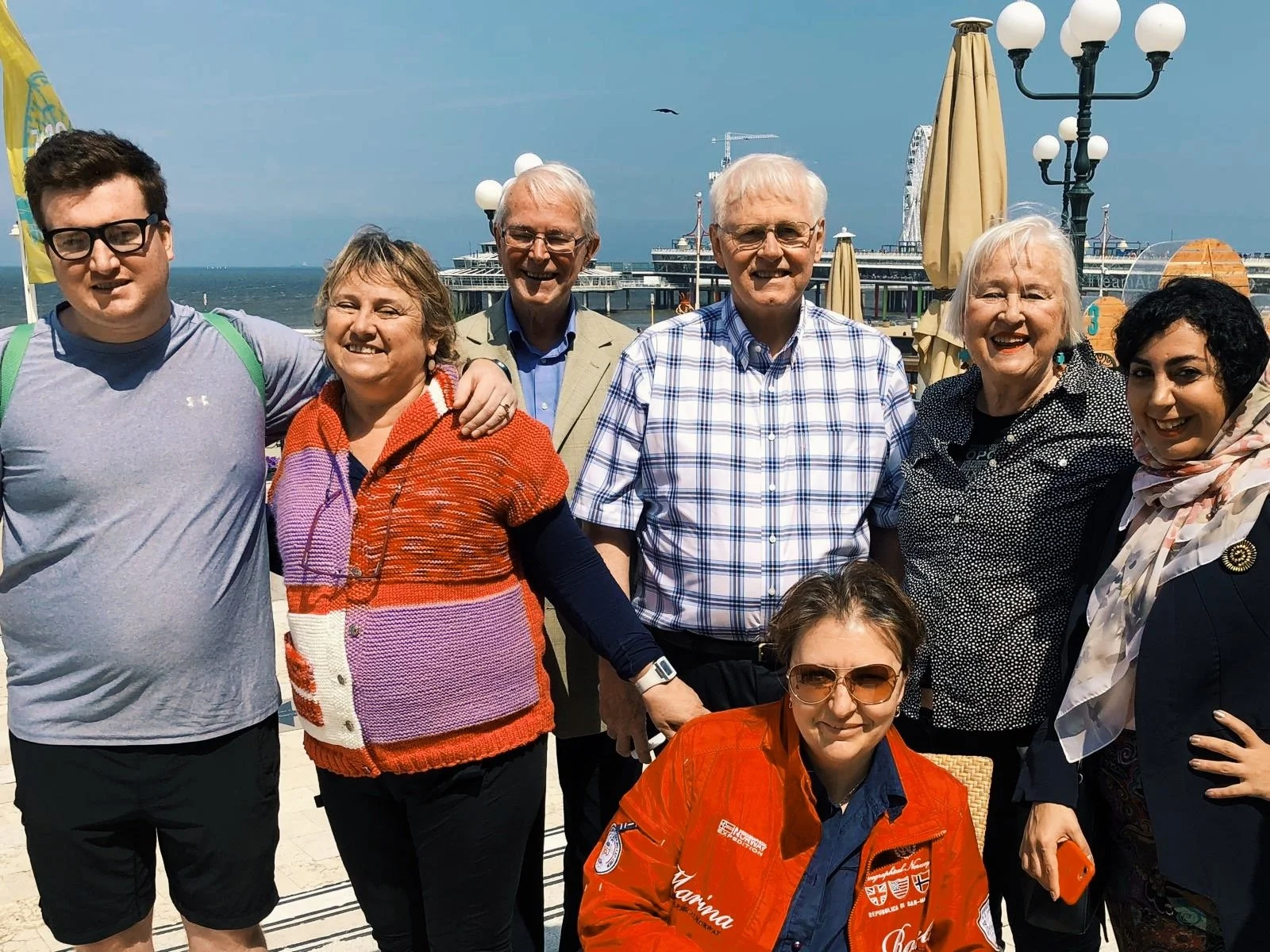
When people think about peace, they often imagine treaties, negotiations, or the absence of conflict. But peace is also something much more personal. It is created through everyday actions, shared experiences, and the courage to imagine new ways of bringing people together. This is what we call creative peace. At our Peace Museums and Peace Museum's projects, almost everything begins with volunteers. People arrive from different countries, cultures, professions, and life experiences. They bring different perspectives, talents, and dreams. What unites them is a simple question:
How can I contribute to peace with what I have?
The answers are always different—and that is exactly what makes peace so rich. One of our interns, a sociology student, once reflected that writing academic papers alone might not be enough to build the peaceful world he hoped for. While exploring the history of social movements, he discovered that some of the earliest rave gatherings were rooted in ideas of peace, freedom, and community. Inspired by this, he organized an all-night dance event for peace. For one evening, a dance floor became a space for dialogue without words. Music connected strangers, and movement replaced division. "Techno for Peace" became another reminder that peace can be experienced, not only discussed.
Another beautiful example is our Peace Kitchen. It was started by Nellya, a volunteer from Kyrgyzstan, who missed the tastes and traditions of home. She invited the community to cook together, sharing dishes that carried memories, family stories, and cultural traditions. What began as one volunteer's idea soon became a regular gathering. Around the table, people discovered that food speaks a universal language. Every meal became an opportunity to exchange stories, celebrate diversity, and build friendships. After all, sharing food remains one of humanity's oldest and most powerful ways of creating community—and peace.
Artists have also played an essential role in our journey. Through paintings, photography, installations, performances, and other creative expressions, they have helped us imagine what peace looks and feels like. Art gives shape to values that are often difficult to express with words. It invites reflection, inspires hope, and reminds us that peace is something we can see, create, and experience together.
At the same time, we believe that peace deserves to be documented. Every day, countless acts of kindness, cooperation, solidarity, and reconciliation happen around us. Too often, they pass unnoticed. Peace Museums exist to make these moments visible. We collect peace stories. We conduct peace interviews. We take photographs. We publish books. We preserve memories that might otherwise disappear. Each documented story becomes an inspiration for the next one. Every project creates space for another project. Every volunteer inspires another volunteer.
Our peace to-do list is endless—and perhaps that is the most hopeful thing about it. There will always be another story to collect, another community meal to prepare, another exhibition to create, another conversation to begin, another creative idea waiting to become a peace project. That is why we are always looking for more peace volunteers. You do not need to be a peace expert. You simply need to bring your curiosity, your skills, your creativity, and your willingness to contribute. Peace is not built by one person or one institution. It is built by people who decide that what they love—whether it is music, cooking, art, storytelling, photography, or simply listening—can become a contribution to a more peaceful world.
What will your way of creating peace be?
Join us, and let's continue documenting, imagining, and creating peace together.
