Future. 2026 Sena Nergiz Yılmaz
Peace is not only the absence of war. It is the presence of humanity, kindness, understanding, and courage. And it begins with what we do today.
We live in difficult times. Looking back through history, we see how often humanity repeats the same mistakes. We see conflicts, discrimination, fear, and violence returning in different forms. Yet history also teaches us something important: we are capable of learning.
We learn from those who stood up for peace, from people who chose humanity over hatred, and from peace heroes who showed us that even in the darkest moments, we have the power to make a different choice.
At Peace Museums, we believe that learning from history should not simply help us understand the past. It should inspire us to build a better present.
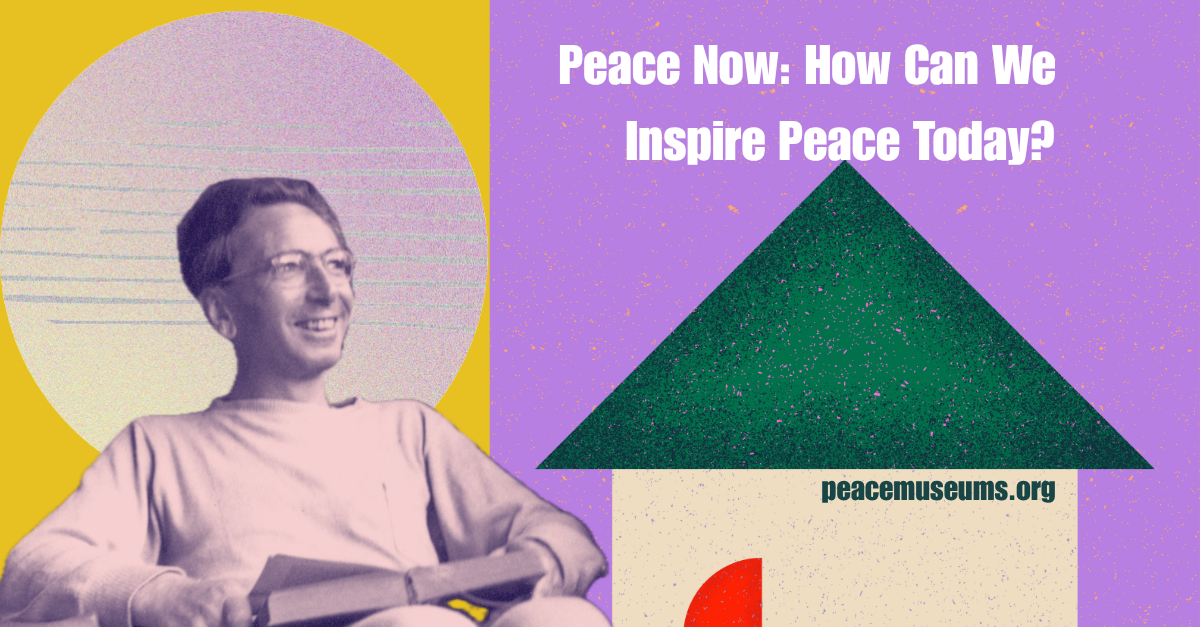
What Can Viktor Frankl Teach Us About Peace?
One of the early supporters of Peace Museum Vienna was the Viktor Frankl Museum in Vienna.
Viktor Frankl, an Austrian psychiatrist, Holocaust survivor, and founder of logotherapy, dedicated his life to exploring human suffering, freedom, responsibility, and the search for meaning.
His experiences remind us of a profound truth: even when we cannot control the circumstances around us, we retain the ability to choose how we respond.
Frankl's life offers an especially powerful lesson for our time. When confronted with suffering, fear, and uncertainty, we must not lose sight of our humanity.
His work encourages us to look beyond stereotypes, resist hatred, and recognize the dignity of every human being.
Imagine a simple situation: someone is being excluded, judged, or treated unfairly. We can choose to look away, follow the crowd, or speak up. We can offer a kind word, listen without judgment, or stand beside the person who needs support.
These actions may seem small. But they are not insignificant. They are everyday expressions of human dignity.
And this is where peace begins.
Positive Peace: Peace Is Not Just the Absence of War
There is an important difference between negative peace and positive peace.
Negative peace refers to the absence of direct violence or war. Positive peace goes further. It is about creating the conditions in which people can live with dignity, equality, justice, mutual respect, and opportunities to thrive.
For us, this is the meaning of Peace Now.
Peace Now is a global movement that seeks to make peace present, visible, and part of our everyday lives. It is also at the heart of the peace museum movement.
We do not want peace to remain an abstract idea, something discussed only at international conferences or remembered during commemorations. We want to create spaces where peace can be experienced, discussed, learned, and practiced.
Peace is not only a future possibility. It is something we can begin creating today.
Five Everyday Ways to Inspire Peace Now
What can we actually do for peace today? We can start with actions that are simple, practical, and within our reach.
Choose kindness over judgment. Before making assumptions about someone, take a moment to listen. Challenge stereotypes and try to understand experiences different from your own.
Change the conversation. The next time you meet friends or colleagues, talk about people who inspire positive change. Instead of discussing only political conflicts, introduce the story of Viktor Frankl or another peace hero. Ask what we can learn from their lives.
Stand beside someone who needs support. Speak up when you witness discrimination, exclusion, or bullying. Sometimes simply making someone feel that they are not alone can make a meaningful difference.
Create spaces for dialogue. Encourage conversations where people with different opinions can listen to one another without fear. Understanding does not require agreement, but it does require respect.
Bring peace education into everyday life. Support nonviolence education in schools, teach children conflict resolution, empathy, and cooperation, and encourage young people to become active participants in building peaceful communities.
These actions will not solve every global conflict. But they help shape the societies in which we live. They create habits of cooperation instead of hostility, understanding instead of fear, and solidarity instead of indifference.
Peace Is a Choice We Make Every Day
When danger, uncertainty, or violence return, it is easy to feel powerless or afraid. But perhaps what can sustain us in the most difficult times is our humanity.
We cannot always control what happens around us. We can, however, choose not to reproduce hatred, not to follow stereotypes, not to turn away from suffering, and not to forget the importance of helping one another.
This is why peace museums matter. They preserve the lessons of history, give visibility to people who made a difference, and remind us that another response is always worth seeking.
But museums cannot do this alone. Peace needs people. It needs conversations, educators, communities, artists, students, and everyone willing to take responsibility for the world we share.
Peace Now is an invitation to become part of this change.
So, let us keep asking ourselves:
What does peace mean to me?
What can I do today to make someone else's life a little more peaceful?
How can we make our schools, workplaces, and communities more inclusive?
How can we learn from history instead of repeating its mistakes?
There may not be one simple answer. But asking these questions, sharing experiences, and acting with intention brings us closer to finding one.
Peace is not something we should wait for. It is something we create together, one conversation, one act of kindness, and one courageous choice at a time.
Let's make peace visible. Let's make peace present.
Let's inspire Peace Now.
Join the Peace Now movement and help us create more spaces for peace in our everyday lives.
