Future. 2026 Sena Nergiz Yılmaz
From the stories of Peace Heroes to the small actions that bring us closer together, peace begins with what we do for one another.
What does peace look like in everyday life?
Sometimes, it looks like a person standing up for someone who is being treated unfairly. Sometimes, it looks like a shared meal between people who have never met, a teacher opening doors for a young person, or a neighbor taking the time to listen when someone feels alone. These moments may seem small. But they can change how people feel, how communities relate to one another, and how we imagine the world we want to live in. At Peace Museums, we believe that peace is more than the absence of war. It is something we build together through dignity, empathy, justice, solidarity, and the courage to care about one another. And kindness is one of the places where that work begins.
What do kindness and positive peace have in common?
Kindness is often understood as a personal gesture: helping someone, offering encouragement, or showing compassion. These actions matter because they remind us that nobody should have to face life's challenges alone. But kindness can go further. When we challenge discrimination, make education more accessible, protect the environment, or create spaces where people feel safe and included, we turn kindness into a force for social change. This is where kindness meets positive peace.
Positive peace is not simply the absence of violence. It means creating the conditions in which people can live with dignity, participate in society, access opportunities, and resolve disagreements without fear or exclusion. A kind gesture can make someone feel seen. A community built on kindness can help people feel that they belong. And a society that takes kindness seriously can begin to address the inequalities and injustices that stand in the way of lasting peace. Kindness alone cannot solve every problem. We also need fair institutions, human rights, accountability, and meaningful opportunities for everyone to participate. But kindness can inspire us to take the first step—and give us the courage to keep going.
Meet the Peace Heroes who show us what is possible
The Peace Heroes gallery at Peace Museums celebrates people from different backgrounds, cultures, and generations who have worked to make the world more peaceful. Their stories remind us that there is no single way to be a peace hero.
Some offer care when others are suffering.
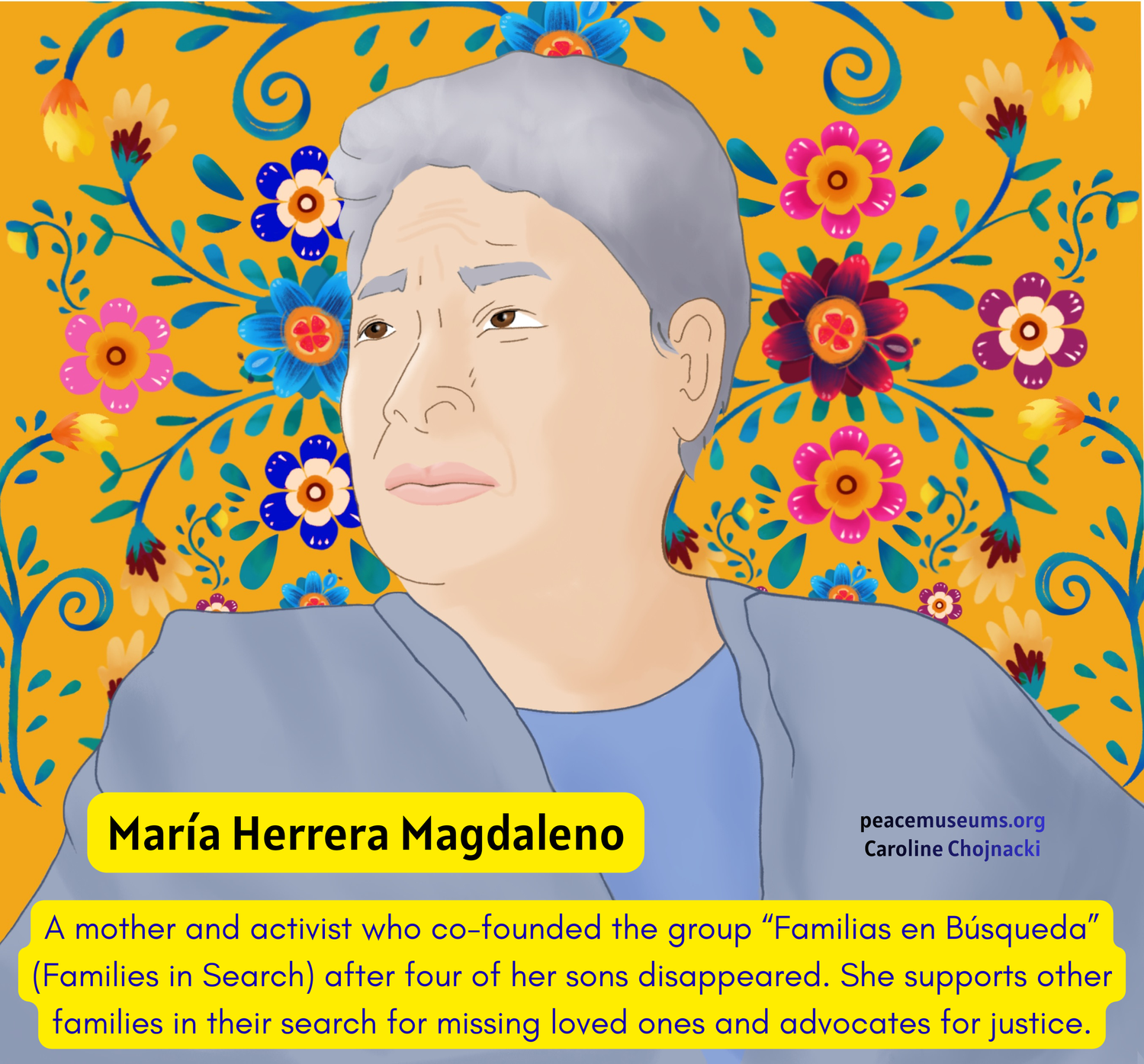
María Herrera Magdaleno, a mother and activist whose four sons disappeared, became involved in supporting families searching for their missing loved ones. Her story reminds us of the importance of standing beside people in moments of unimaginable uncertainty and refusing to let their suffering go unseen.
Some create opportunities where barriers once stood.
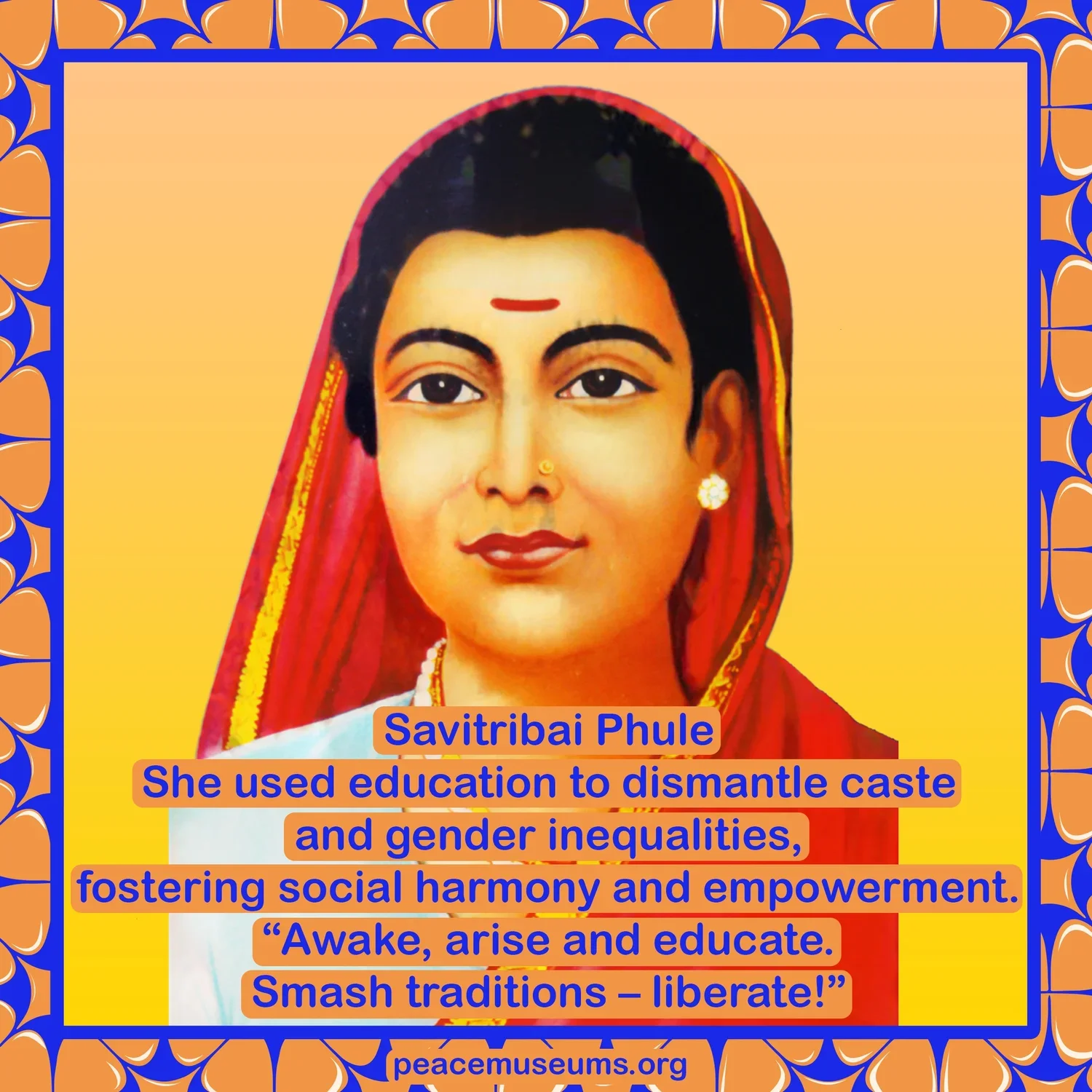
Savitribai Phule, a pioneer of women's education in India, helped open doors for girls and women at a time when they faced significant barriers to learning. Her legacy reminds us that sharing knowledge and expanding access to education are powerful acts of social change.
Some defend the world we share.
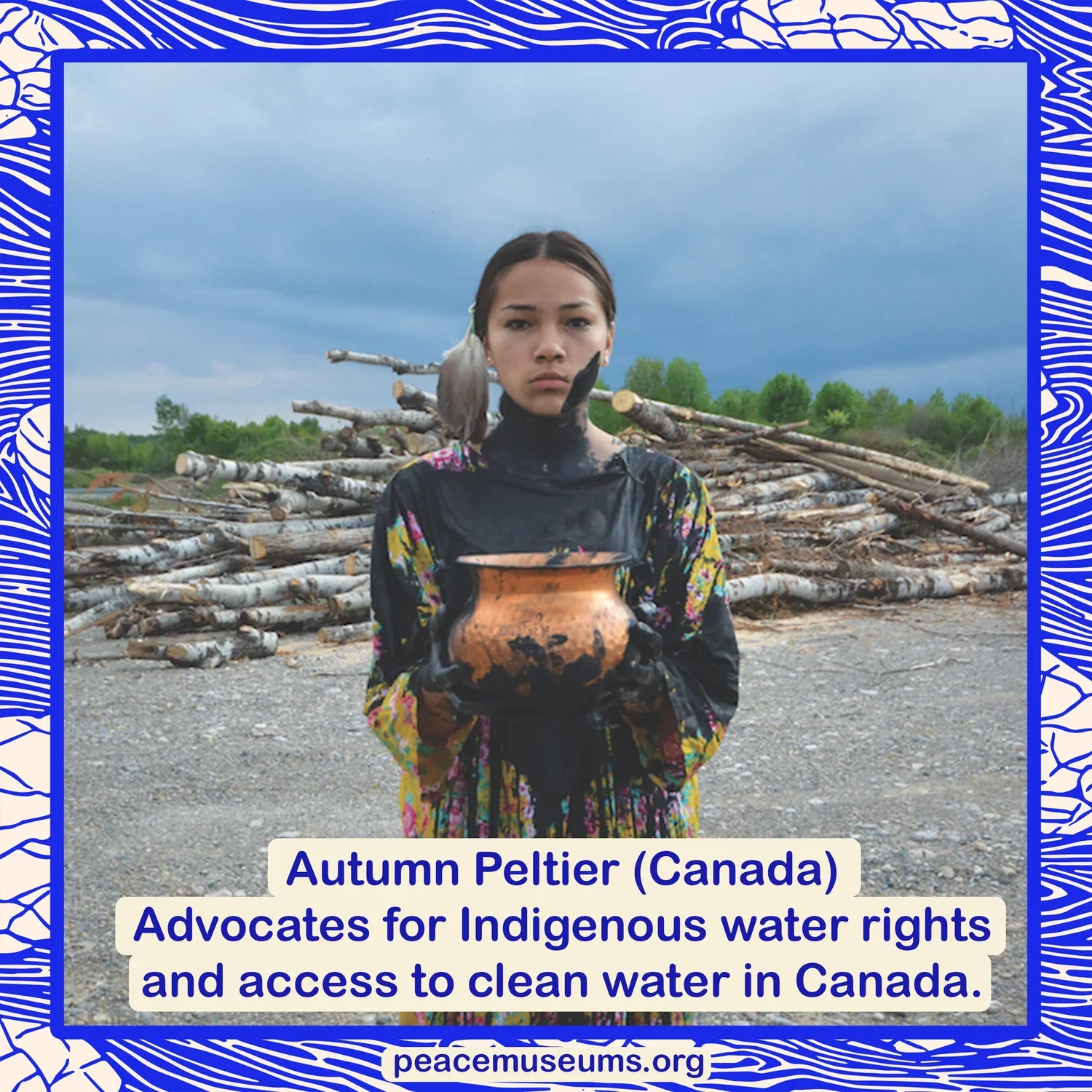
Environmental advocates such as Autumn Peltier and Wangari Maathai have helped bring attention to the importance of protecting water, forests, and the natural environment. Their work encourages us to think about kindness beyond our immediate relationships: caring for nature also means caring for future generations.
Some challenge discrimination and defend human dignity.
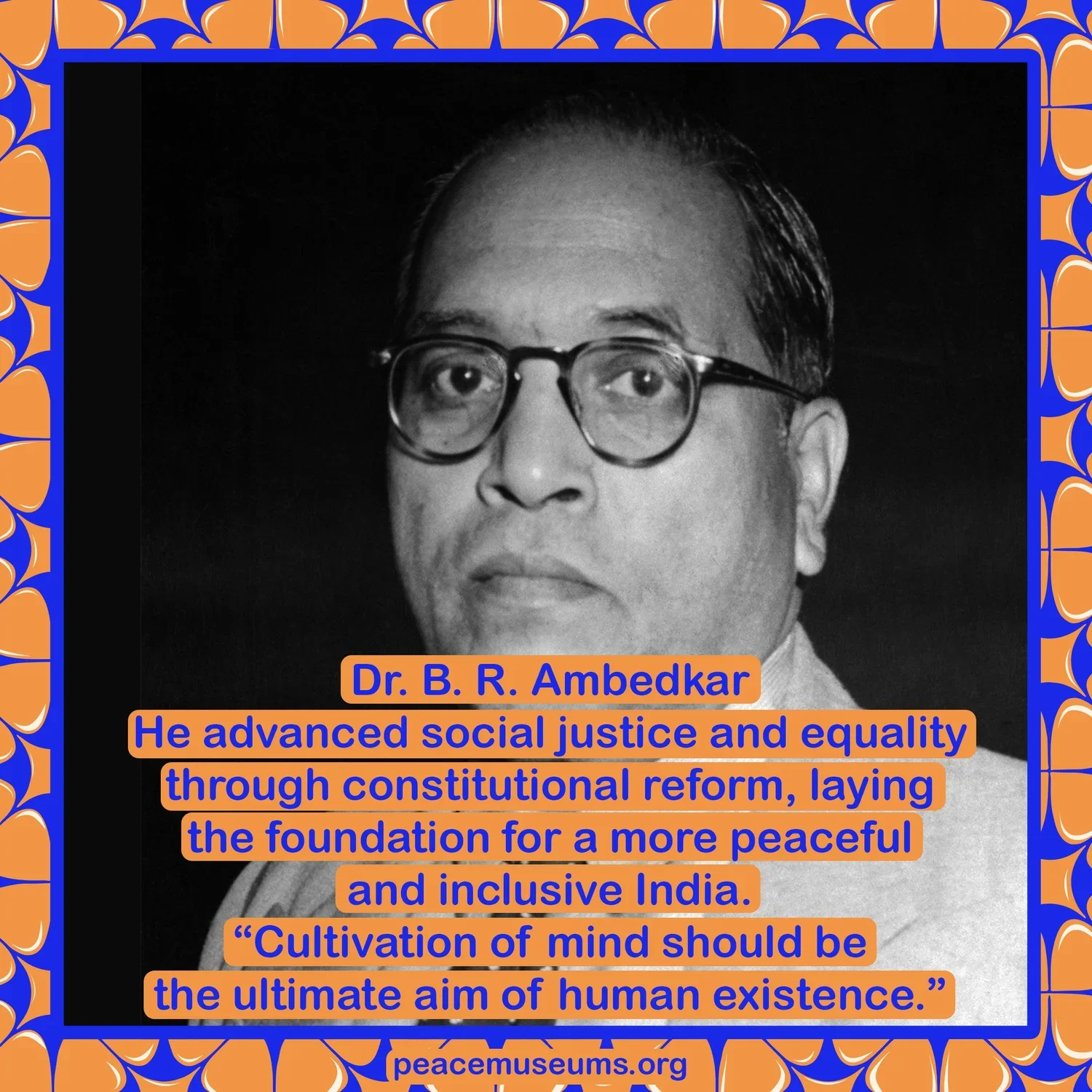
Grace Banu, an advocate for transgender rights, and Dr. B. R. Ambedkar, a leading figure in the struggle against caste oppression in India, represent different efforts to confront exclusion and advance equality. Their stories remind us that peace requires more than good intentions. It also requires the courage to challenge injustice.
Some help societies find a way forward after conflict.
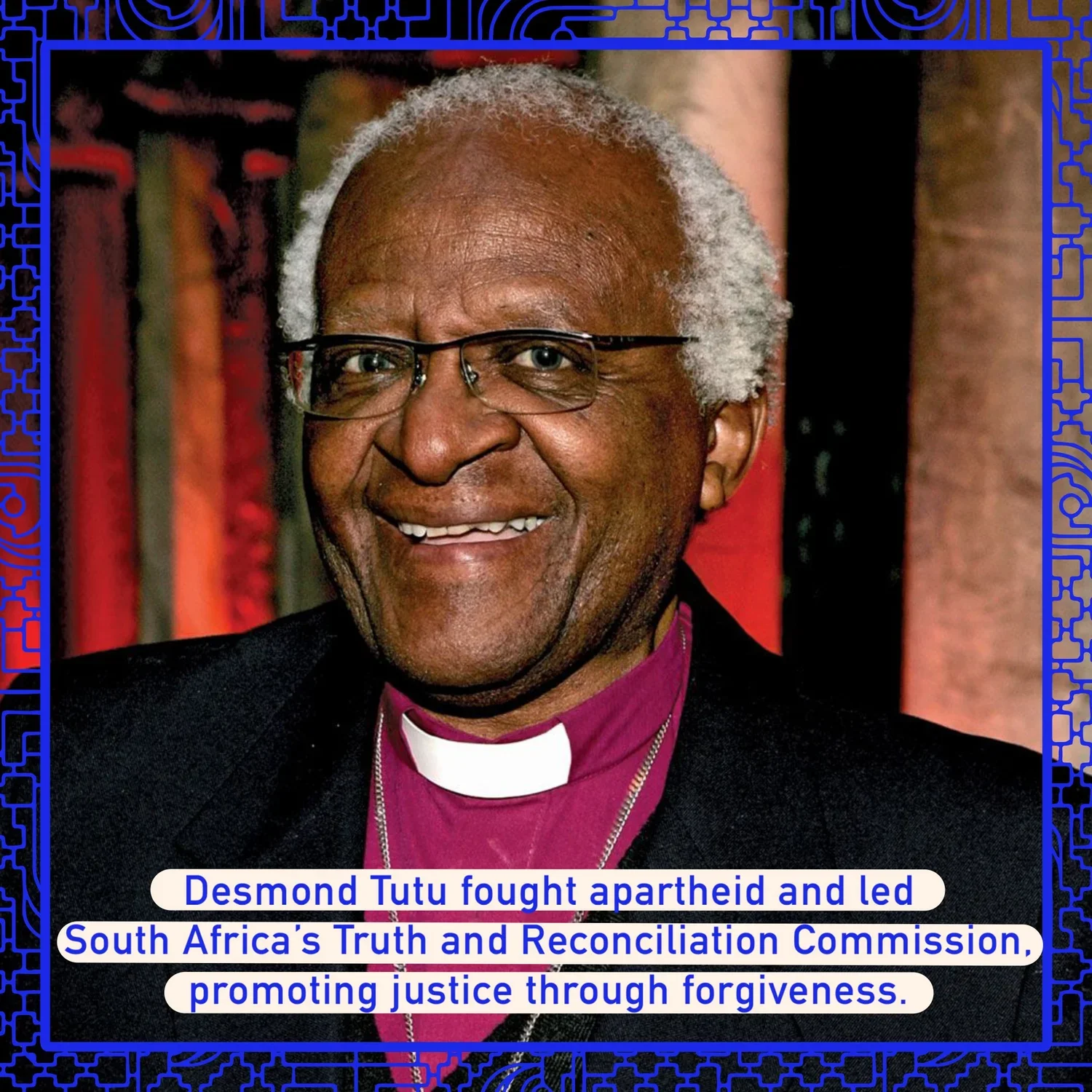
Nelson Mandela and Desmond Tutu are widely remembered for their roles in South Africa's struggle against apartheid and the difficult work of building a more democratic and reconciled society. Their legacies invite us to consider how dialogue, accountability, and respect for human dignity can help communities move beyond cycles of hatred.
These people followed different paths. They faced different challenges and worked in different circumstances. What connects them is the decision to do something when the world around them called for change. Their stories do not ask us to become famous activists or extraordinary leaders. They ask us to consider what we can do with the opportunities, relationships, and resources we already have.
Peace begins in the places where we meet
We do not need to wait for a major event or a global agreement to practice peace. We can begin in our neighborhoods, schools, workplaces, and cultural spaces. At Peace Museums, we explore ways to make peace tangible through encounters, conversations, education, and shared experiences.
A shared meal can become an invitation to understanding.
Through initiatives such as Peace Kitchen, people can come together around food, discover different traditions, and talk about what connects them. Sharing a meal does not erase our differences. It gives us an opportunity to meet one another beyond our assumptions.
A conversation can make room for a different perspective. Peace talks and storytelling activities invite people to listen to experiences they may never have encountered before. When we listen with curiosity instead of preparing to judge, we create opportunities for empathy and understanding.
Art can help us express what words sometimes cannot. Music, exhibitions, creative workshops, and initiatives such as Posters4Peace give people ways to express their hopes, concerns, and visions for a more peaceful world. Creativity can bring people together across language, age, and cultural differences.
A shared action can turn good intentions into lasting relationships. Peace walks, community gatherings, and collaborative projects create opportunities for people to work toward something larger than themselves. Whether they are improving a public space, supporting a community initiative, or raising awareness about injustice, people can discover that they have more in common than they first imagined.
These activities may begin with something simple. Their deeper value lies in what they make possible: trust, participation, mutual respect, and a stronger sense of belonging.
Five ways to practice kindness as a form of peacebuilding
We can all contribute to positive peace, regardless of our age, background, profession, or experience. Here are five practical ways to begin.
1. Listen to someone whose experience is different from yours. Ask questions. Make room for their perspective. Resist the urge to assume that you already understand. Listening is not about agreeing on everything; it is about recognizing another person's humanity.
2. Stand beside someone who is being excluded. Speak up when you witness discrimination or bullying, when it is safe to do so. Check in with the person affected. Support efforts to make your school, workplace, or community more inclusive.
3. Share what you know. Mentor a young person, help someone learn a new skill, offer language support, or share knowledge with people who have fewer opportunities. Small acts of generosity can open doors that might otherwise remain closed.
4. Create opportunities for people to meet. Organize a community meal, a neighborhood activity, a storytelling circle, or a creative workshop. Invite people who might not normally spend time together. Give everyone a chance to contribute, not just to attend.
5. Turn compassion into collective action. If you notice loneliness, inequality, environmental damage, or a lack of access to resources in your community, ask what can be done together. Partner with local organizations. Include the people most affected in the decisions. Look beyond immediate relief to the changes that could prevent the problem from continuing.
These actions may not make headlines. They can, however, change someone's day, strengthen a relationship, and help create the conditions in which peace can grow. And when people act together, their impact can reach far beyond what any one person could accomplish alone.
From individual kindness to a culture of peace
Imagine a community where children learn to resolve conflicts without humiliation. Where newcomers are welcomed rather than treated with suspicion. Where older people feel connected, young people have opportunities to contribute, and people experiencing discrimination know that others will stand beside them. Imagine workplaces where respect is part of everyday practice, schools where differences are approached with curiosity, and public spaces where people feel that they belong. Such a society does not emerge from kindness alone. It takes commitment, resources, education, fair policies, and the willingness to confront injustice. But it does begin with a choice: to treat other people not as strangers to fear or problems to solve, but as human beings whose dignity matters.
Peace Museums help keep this possibility alive by preserving and sharing stories of people who have taken that choice seriously. These stories remind us that peace is not the responsibility of a few exceptional individuals. It is a shared responsibility, shaped by millions of decisions made every day. A peace hero can be someone who changes a law, protects a community, or challenges an unjust system. A peace hero can also be someone who creates a safe space for dialogue, stands up for a colleague, or helps a neighbor feel less alone. We need both the extraordinary acts of courage that change history and the everyday acts of care that make peace possible in our lives.
What kind of peace will we build together?
Perhaps the most important question is not whether we can change the entire world on our own. It is whether we are willing to contribute to the part of the world within our reach and to join others who are doing the same. Whose story can you share? Who needs your support? What could your community achieve if more people felt invited to participate? At Peace Museums, we believe that every story of courage, every act of solidarity, and every meaningful encounter can help us imagine and create a more peaceful future. But these stories need people to carry them forward.
Join the movement for peace
Support Peace Heroes. Discover their stories, share their work, and help bring their lessons to new audiences.
Share your story. Tell us about a person, a community initiative, or an act of kindness that has made a difference in your life. Your experience might inspire someone else to take action.
Join our peace movement. Connect with Peace Museums, participate in peace activities, start a conversation, or bring people together around an idea that makes your community more inclusive and compassionate.
Peace does not belong to one country, one culture, or one generation. It belongs to all of us.
Let's make kindness visible. Let's turn empathy into action and solidarity into lasting change.
Together, let's build a culture of peace—one person, one story, and one act of kindness at a time.
Explore the Peace Heroes gallery: https://peacemuseums.org/peace/peace-heroes
#PeaceMuseums #PeaceHeroes #PositivePeace #KindnessInAction #Peacebuilding #CultureOfPeace
