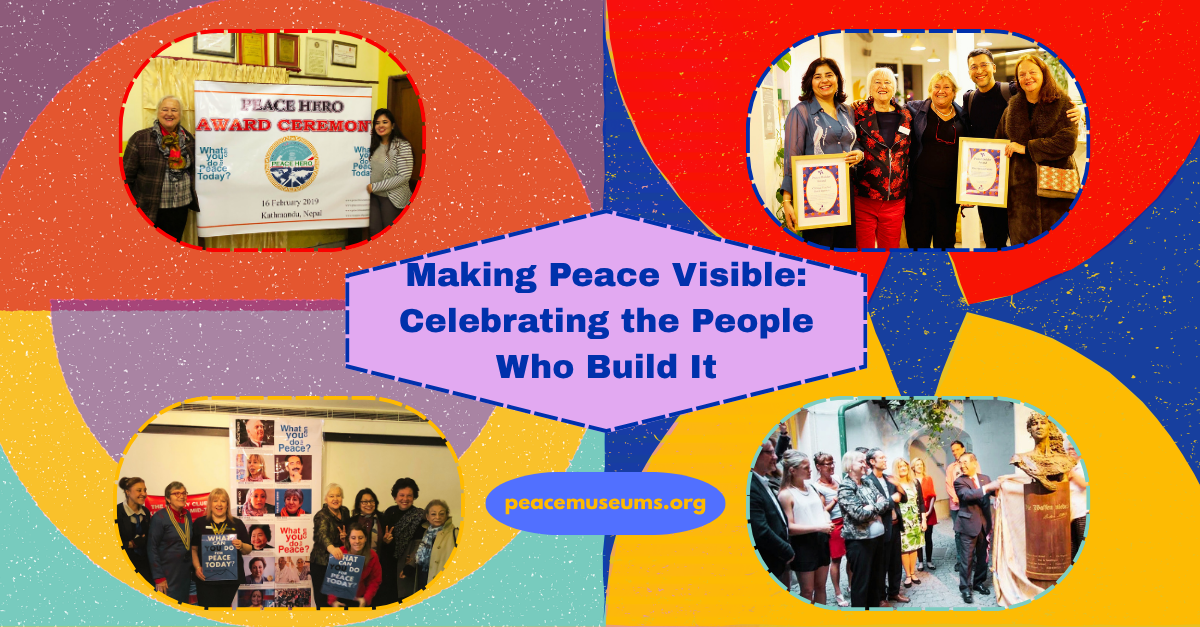
Around 15 years ago, when we started the Peace Museum Vienna, we began with stories. Stories of peace heroes whose courage, imagination, and determination showed us that peace is not just an ideal. It is something people choose to practice, every day.
Their stories inspired us to learn, to question, and to find our own paths toward peace. From the very beginning, one question became part of our daily life at the museum: What can we do for peace? It was the first question we asked ourselves when we opened the museum doors, and it remains our compass today.
Peace Hero gathering Colorado
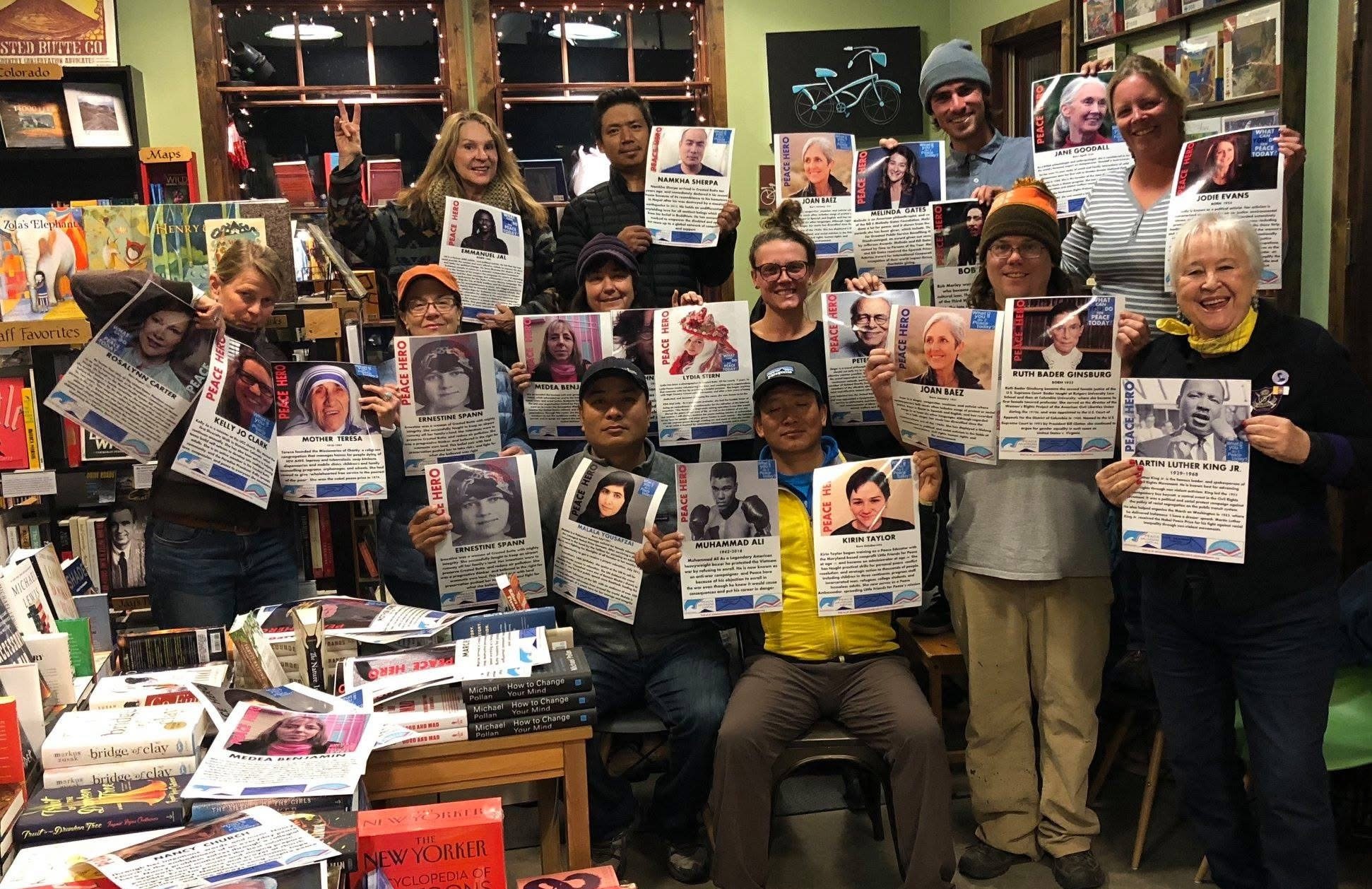
Everyone who becomes part of the Peace Museum finds their own answer. Over the years, we have discovered that peace has many faces and takes many forms. There is no single path, and there is always more to discover.
In our early years, many of the peace heroes we celebrated were men. We looked to Mahatma Gandhi, who led a movement for Indian independence through nonviolent resistance; Martin Luther King Jr., who fought racial injustice through civil rights activism and nonviolent protest; Nelson Mandela, who helped end apartheid in South Africa and championed reconciliation; and John Lennon, whose music and public activism made peace a global message.
We were also inspired by the Beatles' call to imagine a better world and by Yoko Ono, whose artistic work and peace campaigns have encouraged people to envision a world beyond conflict. Their examples reminded us that peace can be advanced through nonviolence, political courage, music, art, and imagination.
As the museum evolved, so did our understanding of whose stories needed to be told. We began to discover more women whose contributions to peace deserve recognition. Bertha von Suttner, the Austrian writer and peace activist, helped shape the modern peace movement and became the first woman to receive the Nobel Peace Prize. Harriet Beecher Stowe, through her influential novel Uncle Tom's Cabin, helped turn public attention toward the brutality of slavery and strengthened the abolitionist cause. Wangari Maathai, the Kenyan environmentalist and Nobel Peace Prize laureate, connected environmental protection, women's rights, and democracy. Malala Yousafzai, the Pakistani education activist, has become a global voice for every girl's right to learn.
Their lives broadened our perspective and reminded us that peacebuilding is not the work of a few celebrated figures. It is a shared human endeavor.
Gradually, we also noticed something remarkable: the museum itself was becoming a meeting point for peacebuilders. Visitors, volunteers, and friends of the museum were not simply learning about peace heroes. Through their own actions, they were becoming a source of inspiration for us.
Peace Hero Award Nepal
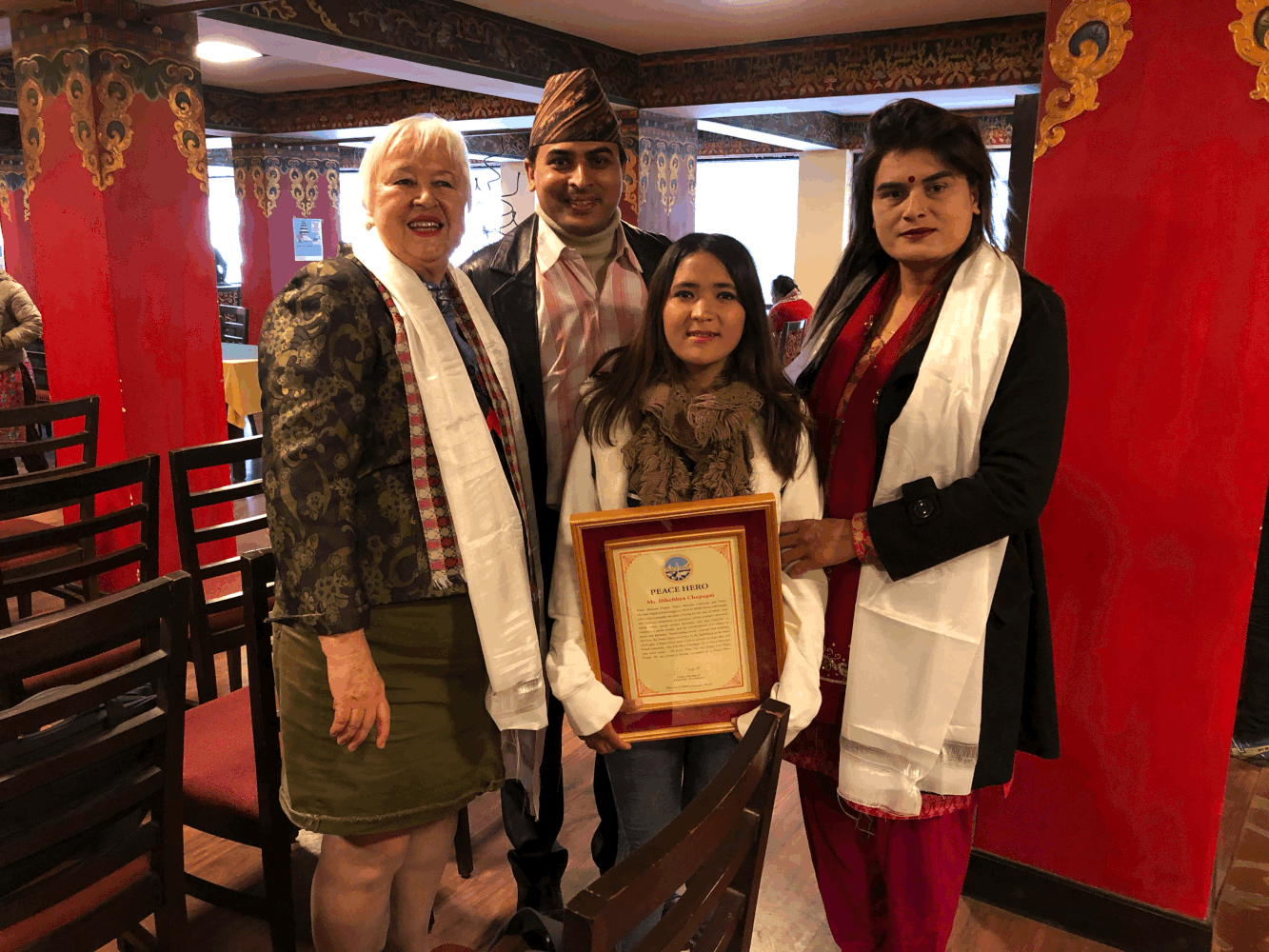
That realization led to the creation of the Peace Builder Award, our annual recognition of people who actively contribute to peace. We celebrate their work, support their efforts, and help bring their stories to a wider audience.
Because positive peace means more than the absence of violence or war. It means building the conditions in which people can live with dignity, justice, mutual respect, and a sense of belonging. And that kind of peace grows when we recognize and support those who are already making it possible.
Recognizing peacebuilders is one way to strengthen their work. Sharing their stories is another. Every story made visible can encourage someone else to take action, discover a new possibility, or find the courage to begin.
After 15 years, our question remains the same: What can we do for peace?
We invite you to ask it, too. Who inspires you? Who is making a difference in your community, often without recognition or applause? Share your peace hero with us, and explore the peace heroes featured by the Peace Museum Vienna.
Because peace is not built by heroes alone. It grows when their example moves others to act.
Let's make the people who build peace visible!
#PeaceMuseums #PeaceEducation #PeaceHero #PromotePeace #PeaceBuilding
